
Erosion Control That Protects Your Property and Waterways
Storm Water Pollution Prevention Plan in Southwest Florida for properties facing erosion risks and regulatory compliance requirements
Southwest Florida's intense rainfall events and sandy soil composition create erosion conditions that move sediment off construction sites and development properties directly into local waterways. FL Patriot Grading develops Storm Water Pollution Prevention Plans in Ft Myers, Marco Island, and Naples that address these conditions through engineered control measures designed for the region's hydrology. Property owners undergoing land disturbance activities exceeding one acre face state and federal permitting requirements that mandate documented erosion control strategies before work begins.
A Storm Water Pollution Prevention Plan identifies potential pollutant sources on your site, maps drainage patterns based on existing topography, and specifies control measures such as silt fencing, sediment basins, stabilized construction entrances, and vegetation establishment timelines. The plan must account for soil type, slope gradient, proximity to water bodies, and the sequence of construction activities to prevent sediment-laden runoff from leaving the property during and after grading operations.
Schedule a site assessment to determine which erosion control measures your project requires under current regulations.
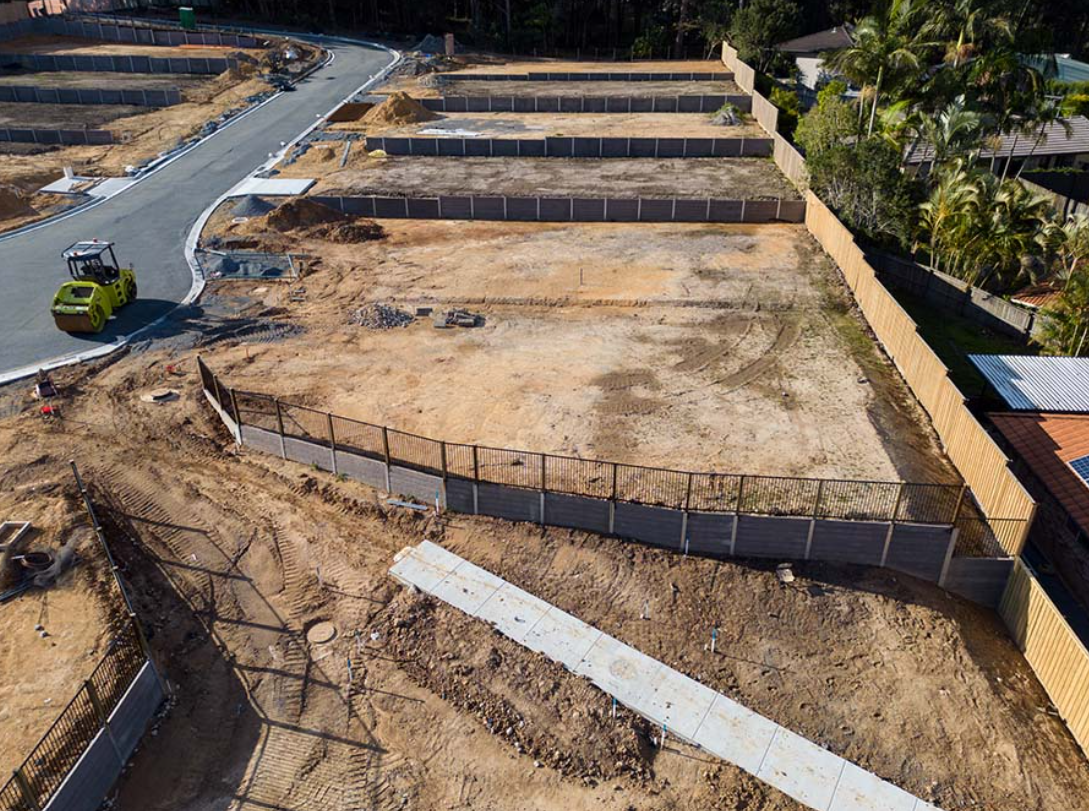
The plan begins with a site evaluation that identifies slopes exceeding fifteen percent, drainage pathways that concentrate flow, and distances to wetlands or stormwater infrastructure. FL Patriot Grading maps these features and selects control measures based on the volume of runoff your site generates during the typical summer storm pattern that delivers two to three inches of rain in less than an hour across coastal Southwest Florida.
Once erosion controls are installed according to the plan specifications, you see sediment staying within designated areas rather than washing into streets, neighboring properties, or drainage systems. Silt fencing captures suspended solids before they reach property boundaries, while stabilized entrances prevent tracked mud from reaching public roadways. Vegetation established within fourteen days of final grading holds soil in place and reduces long-term maintenance needs after construction is complete.
The plan also includes inspection schedules and maintenance protocols required by permitting agencies. Controls must be checked after each rainfall event exceeding half an inch and repaired within twenty-four hours if damage occurs. Documentation of these inspections becomes part of the compliance record reviewed during site visits by environmental regulators.
What Proper Erosion Control Accomplishes on Active Sites
Questions About Erosion Control and Stormwater Compliance
Projects disturbing more than one acre in Ft Myers, Marco Island, and Naples face specific compliance requirements tied to both state environmental permits and local stormwater ordinances.
- What triggers the need for a Storm Water Pollution Prevention Plan?
- Any land disturbance activity affecting one acre or more requires a plan filed with the Florida Department of Environmental Protection before grading begins, and smaller sites near sensitive water bodies may also need documentation depending on proximity to estuaries or wetlands.
- How does erosion control adapt to Southwest Florida's soil conditions?
- Sandy soils common throughout the region drain quickly but also erode easily under concentrated flow, so control measures focus on slowing runoff velocity through check dams and vegetated swales rather than relying solely on perimeter barriers that can be overwhelmed during high-intensity storms.
- When should erosion controls be installed during a project timeline?
- Controls must be in place before any earth-moving equipment disturbs existing vegetation, with perimeter silt fencing and inlet protection installed first to establish containment boundaries before grading operations expose underlying soil layers.
- What happens if controls fail during a storm event?
- Repairs must occur within one business day of identifying damage, and additional measures such as temporary seeding or mulch application may be required if exposed areas exceed the acreage limits specified in your permit.
- How long do erosion controls need to remain active?
- Controls stay in place until final stabilization is achieved, which means uniform vegetation covers at least seventy percent of disturbed areas or permanent structures such as pavement or buildings cover the soil and prevent further erosion potential.
FL Patriot Grading prepares Storm Water Pollution Prevention Plans that meet Southwest Florida's regulatory standards and site-specific erosion risks. Request a consultation to review your project's compliance requirements and control measure options based on your property's soil and drainage characteristics.